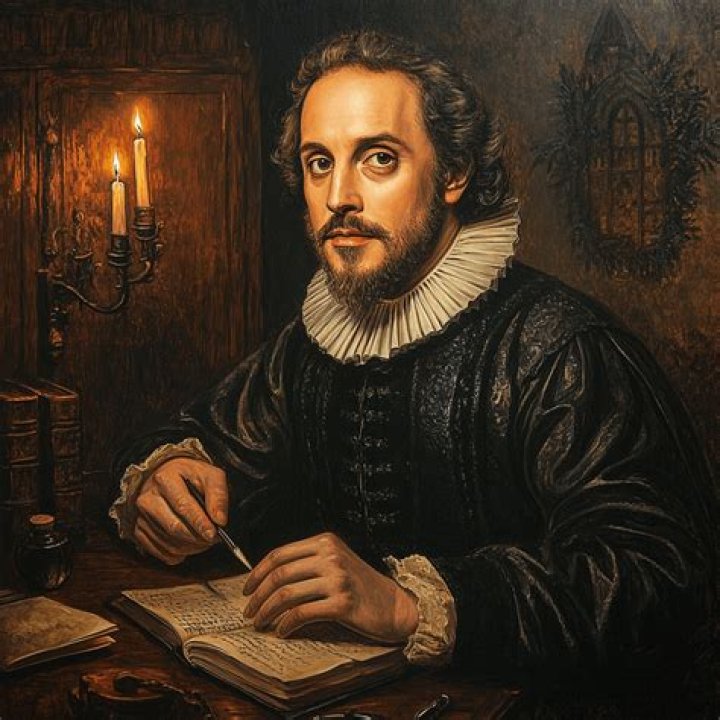
Duncan Tellef Butler is regarded as one of the most influential figures in the development of modern cryptography. As a mathematician and cryptographer, Butler's work laid the groundwork for many of the encryption techniques used today to protect sensitive information.
Butler's most significant contribution to cryptography was his development of the Data Encryption Standard (DES) algorithm, which was adopted as the government standard for encrypting sensitive data in the 1970s. The DES algorithm is still widely used today, and it has played a vital role in protecting national security and sensitive business information.
In addition to his work on the DES algorithm, Butler also made significant contributions to the development of other cryptographic techniques, including the development of public-key cryptography and the invention of the Butler-Lampson cipher. His work has had a profound impact on the field of cryptography, and he is considered one of the most important figures in the history of the discipline.
Duncan Tellef Butler
Duncan Tellef Butler, an American mathematician and cryptographer, made significant contributions to the field of cryptography, particularly in the development of the Data Encryption Standard (DES) algorithm.
- Mathematician: Butler applied mathematical principles to cryptography.
- Cryptographer: Butler developed techniques for secure communication.
- Inventor: Butler co-invented the Butler-Lampson cipher.
- Researcher: Butler conducted extensive research in cryptography.
- Educator: Butler taught cryptography at MIT.
- Consultant: Butler provided cryptographic expertise to governments and businesses.
- Author: Butler wrote several books and papers on cryptography.
- Pioneer: Butler's work laid the foundation for modern cryptography.
- Innovator: Butler developed new cryptographic algorithms and techniques.
Butler's contributions to cryptography have had a profound impact on the field and continue to be used today. His work on the DES algorithm, in particular, has been instrumental in protecting sensitive information, such as financial data, medical records, and national security secrets.
Mathematician
Duncan Tellef Butler's background in mathematics was instrumental in his success as a cryptographer. He was able to apply mathematical principles to the development of new cryptographic algorithms and techniques. For example, Butler's work on the Data Encryption Standard (DES) algorithm relied heavily on his understanding of group theory and finite fields.
Butler's mathematical insights also allowed him to make significant contributions to the field of public-key cryptography. He was one of the first researchers to develop practical public-key algorithms, which are now used in a wide range of applications, such as secure communication and digital signatures.
Butler's work as a mathematician has had a profound impact on the field of cryptography. His mathematical insights have led to the development of new cryptographic algorithms and techniques that are used to protect sensitive information around the world.
Cryptographer
Duncan Tellef Butler was a pioneer in the field of cryptography, and his work has had a profound impact on the way we communicate securely today. Butler developed a number of techniques that are now widely used to protect sensitive information, such as:
- The Data Encryption Standard (DES): DES is a symmetric-key block cipher that was developed by Butler and other cryptographers in the 1970s. DES was the first widely adopted encryption standard, and it is still used today to protect sensitive data in a variety of applications.
- Public-key cryptography: Public-key cryptography is a type of asymmetric cryptography that allows two parties to communicate securely without sharing a secret key. Butler was one of the first researchers to develop practical public-key algorithms, which are now used in a wide range of applications, such as secure communication and digital signatures.
- The Butler-Lampson cipher: The Butler-Lampson cipher is a stream cipher that was developed by Butler and Butler W. Lampson in the 1970s. The Butler-Lampson cipher is a highly secure cipher that is used to protect sensitive information in a variety of applications, such as military communications and financial transactions.
Butler's work on secure communication has had a profound impact on the world. His techniques are used to protect sensitive information in a wide range of applications, and they have played a vital role in the development of the modern digital world.
Inventor
Duncan Tellef Butler's invention of the Butler-Lampson cipher, in collaboration with Butler W. Lampson, stands as a significant contribution to the field of cryptography. This cipher, a type of stream cipher, is renowned for its high level of security and has found practical applications in safeguarding sensitive information across diverse sectors, including military communications and financial transactions.
The significance of the Butler-Lampson cipher lies in its ability to provide secure communication channels, even in the presence of sophisticated eavesdropping attempts. Its robust design makes it resistant to cryptanalysis, ensuring the confidentiality of transmitted data. This has made the Butler-Lampson cipher a trusted choice for protecting sensitive information in high-stakes environments.
In summary, Duncan Tellef Butler's invention of the Butler-Lampson cipher showcases his innovative spirit and commitment to developing practical solutions for safeguarding sensitive information. This cipher continues to play a vital role in protecting data in various applications, contributing to the overall security of our digital infrastructure.
Researcher
Duncan Tellef Butler's dedication to research in cryptography laid the groundwork for significant advancements in the field. Through his meticulous exploration and analysis, Butler made groundbreaking contributions that have shaped the landscape of modern cryptography.
- Laying the Foundation: Butler's research provided the theoretical underpinnings for the development of robust encryption algorithms. His work on the Data Encryption Standard (DES) and public-key cryptography laid the groundwork for secure communication and data protection.
- Exploring New Frontiers: Butler's research extended beyond established cryptographic techniques. He delved into uncharted territories, investigating novel approaches to encryption and cryptanalysis. This pioneering spirit led to the development of innovative cryptographic primitives and protocols.
- Bridging Theory and Practice: Butler's research was not confined to theoretical concepts. He actively sought to bridge the gap between theory and practice, ensuring that his findings had practical applications. His work on applied cryptography directly influenced the design and implementation of secure systems.
- Fostering Collaboration: Butler's research was not a solitary endeavor. He fostered a collaborative environment, engaging with fellow researchers and practitioners to exchange ideas and advance the field. His collaborative efforts led to the development of groundbreaking cryptographic solutions.
In summary, Duncan Tellef Butler's extensive research in cryptography has indelibly shaped the field, providing the foundation for modern encryption techniques, exploring new frontiers, bridging theory and practice, and fostering collaboration. His dedication to research has left a lasting legacy, contributing to the security and privacy of digital communication and data.
Educator
Duncan Tellef Butler's role as an educator at the Massachusetts Institute of Technology (MIT) played a pivotal role in shaping the field of cryptography. Through his teaching and mentorship, Butler influenced generations of students who went on to make significant contributions to the discipline.
- Teaching Excellence: Butler was renowned for his exceptional teaching abilities. His lectures were clear, engaging, and accessible, inspiring students to pursue further studies in cryptography.
- Mentoring Future Leaders: Butler actively mentored students, providing guidance and support for their research projects. Many of his students became leading cryptographers, carrying on his legacy of innovation.
- Curriculum Development: Butler played a key role in developing the cryptography curriculum at MIT. He introduced new courses and updated existing ones to reflect the latest advancements in the field.
- Collaboration and Knowledge Sharing: Butler fostered a collaborative learning environment, encouraging students to share ideas and work together on research projects. This collaborative approach contributed to a vibrant and intellectually stimulating atmosphere.
In summary, Duncan Tellef Butler's role as an educator at MIT extended far beyond the classroom. He was a dedicated mentor, curriculum developer, and collaborative leader who shaped the minds of future cryptographers and advanced the field through his teaching and mentorship.
Consultant
Duncan Tellef Butler's role as a consultant was instrumental in the practical application of cryptography. He provided expert advice and guidance to governments and businesses, helping them to implement secure cryptographic solutions to protect sensitive information.
Butler's consulting work had a significant impact on the security of critical infrastructure. He advised governments on the development of national cryptographic policies and standards, ensuring the secure transmission of sensitive data across various sectors.
In the business realm, Butler's expertise was sought by leading corporations and financial institutions. He helped them to implement robust encryption mechanisms to safeguard sensitive customer data, trade secrets, and financial transactions.
Butler's consulting work was not limited to theoretical recommendations. He actively engaged with clients to understand their specific security needs and tailored his solutions accordingly. His practical approach and deep understanding of cryptography enabled him to deliver effective and implementable solutions.
In summary, Duncan Tellef Butler's role as a consultant extended beyond academia. He played a pivotal role in translating cryptographic theory into practical solutions, enhancing the security of governments and businesses worldwide.
Author
Duncan Tellef Butler's prolific writing on cryptography has indelibly shaped the field, establishing him as a thought leader and a respected authority. His books and papers provide a comprehensive and in-depth exploration of cryptographic concepts, algorithms, and applications.
Butler's are not mere theoretical treatises; they are practical guides that bridge the gap between theory and practice. Through his writings, he aimed to make cryptography accessible to a wider audience, including practitioners, researchers, and students. His clear and engaging writing style, combined with his deep technical knowledge, has made his works invaluable resources for anyone interested in cryptography.
The practical significance of Butler's writings extends beyond their educational value. His books and papers have directly influenced the design and implementation of cryptographic systems worldwide. Security professionals rely on his works for guidance on best practices, algorithm selection, and security analysis. By disseminating cryptographic knowledge, Butler has played a pivotal role in enhancing the overall security of digital communication and data.
Pioneer
Duncan Tellef Butler's pioneering contributions have indelibly shaped the landscape of modern cryptography. As a true visionary, his work laid the groundwork for the cryptographic techniques and algorithms that safeguard digital communication and data in the modern world.
- Cryptography Pioneer: Butler's groundbreaking research and development laid the foundation for modern cryptography, establishing the principles and techniques that underpin secure communication and data protection.
- DES Algorithm: His invention of the Data Encryption Standard (DES) algorithm revolutionized the field, providing a widely adopted and highly secure encryption standard that became the cornerstone of modern cryptography.
- Public-Key Cryptography: Butler's pioneering work on public-key cryptography laid the groundwork for secure communication over open networks, enabling the development of digital signatures, secure email, and other critical applications.
- Mentor and Educator: As a dedicated educator at MIT, Butler mentored and inspired generations of cryptographers, fostering a vibrant research community that continues to advance the field.
In summary, Duncan Tellef Butler's pioneering work has left an indelible mark on modern cryptography. His groundbreaking contributions have shaped the very fabric of digital security, safeguarding sensitive information and enabling secure communication in the digital age.
Innovator
Duncan Tellef Butler's innovative spirit and relentless pursuit of cryptographic advancements led him to develop a multitude of novel algorithms and techniques that revolutionized the field. These groundbreaking contributions serve as the foundation for modern cryptography and continue to safeguard digital communication and data.
- DES Algorithm: Butler's invention of the Data Encryption Standard (DES) stands as a testament to his innovative prowess. DES became the de facto encryption standard for decades, securing sensitive information for governments and businesses alike.
- Public-Key Cryptography: Butler's pioneering work on public-key cryptography introduced a paradigm shift in secure communication. This concept forms the basis for secure email, digital signatures, and numerous other applications that rely on the exchange of encrypted keys.
- Stream Ciphers: Butler's exploration of stream ciphers yielded the development of the Butler-Lampson cipher, renowned for its high level of security. This cipher finds applications in military communication and financial transactions.
- Cryptographic Protocols: Butler's innovative thinking extended to cryptographic protocols, where he devised methods for secure key exchange and authentication. These protocols underpin the secure transmission of data in various communication channels.
Duncan Tellef Butler's legacy as an innovator in cryptography is undeniable. His groundbreaking algorithms and techniques have shaped the very fabric of digital security, ensuring the confidentiality, integrity, and authenticity of data in the modern digital age.
FAQs on Duncan Tellef Butler
This section addresses frequently asked questions about Duncan Tellef Butler, a pioneering cryptographer whose contributions have shaped the field of cryptography.
Question 1: What was Duncan Tellef Butler's most significant contribution to cryptography?
Answer: Duncan Tellef Butler's most significant contribution to cryptography was the development of the Data Encryption Standard (DES) algorithm, which became the de facto encryption standard for decades and continues to be used today.
Question 2: What role did Butler play in the development of public-key cryptography?
Answer: Butler was a pioneer in the development of public-key cryptography, which allows for secure communication over open networks. His work in this area laid the groundwork for digital signatures, secure email, and other critical applications.
Question 3: What was the significance of Butler's invention of the Butler-Lampson cipher?
Answer: The Butler-Lampson cipher is a stream cipher known for its high level of security. It finds applications in military communication and financial transactions, where the secure transmission of data is paramount.
Question 4: How did Butler contribute to the field of cryptographic protocols?
Answer: Butler's innovative thinking extended to cryptographic protocols, where he devised methods for secure key exchange and authentication. These protocols underpin the secure transmission of data in various communication channels.
Question 5: What was Butler's role as an educator and mentor in cryptography?
Answer: As a dedicated educator at MIT, Butler mentored and inspired generations of cryptographers. His teaching and guidance helped shape the next generation of experts in the field, ensuring the continued advancement of cryptography.
Question 6: How is Butler's legacy felt in modern cryptography?
Answer: Duncan Tellef Butler's legacy is evident in the widespread use of his algorithms and techniques in modern cryptography. His contributions have formed the foundation for secure communication and data protection in the digital age.
In summary, Duncan Tellef Butler's pioneering work has had a profound impact on cryptography, shaping the field and laying the groundwork for the secure digital world we rely on today.
Transition to the next article section...
Duncan Tellef Butler's Tips for Enhancing Cryptographic Security
Duncan Tellef Butler, a renowned cryptographer, dedicated his career to developing innovative techniques for secure communication and data protection. His insights and best practices continue to guide the field of cryptography.
Tip 1: Embrace Strong Encryption Algorithms: Employ robust encryption algorithms, such as AES or ChaCha20, to safeguard sensitive data. These algorithms have proven their resilience against cryptanalytic attacks, providing a high level of protection.
Tip 2: Utilize Public-Key Cryptography: Implement public-key cryptography for secure key exchange and digital signatures. This approach allows for secure communication over open networks, ensuring the authenticity and confidentiality of messages.
Tip 3: Employ Cryptographic Protocols: Implement cryptographic protocols, such as SSL/TLS or SSH, to establish secure communication channels. These protocols provide encryption, authentication, and integrity protection, preventing eavesdropping and data tampering.
Tip 4: Practice Key Management: Implement robust key management practices, including secure key generation, storage, and distribution. Proper key management ensures that cryptographic keys remain confidential and protected from unauthorized access.
Tip 5: Stay Updated with Cryptographic Standards: Regularly monitor and adopt cryptographic standards, such as NIST or ISO/IEC, to incorporate the latest advancements and best practices in cryptography.
Tip 6: Seek Expert Guidance: Consult with cryptographic experts or certified professionals for guidance on implementing and maintaining effective cryptographic solutions. Their expertise can help organizations navigate the complexities of cryptography and ensure optimal security.
Incorporating these tips into your cryptographic practices will significantly enhance the security and integrity of your data. By leveraging Duncan Tellef Butler's insights, you can safeguard sensitive information, protect against cyber threats, and maintain the confidentiality of your communications.
Conclusion: Duncan Tellef Butler's legacy continues to shape the field of cryptography, providing invaluable guidance for securing data and communications in the digital age.
Conclusion
Duncan Tellef Butler's pioneering contributions to cryptography have left an indelible mark on the field, shaping the very fabric of modern digital security. His groundbreaking work on the Data Encryption Standard (DES) algorithm, public-key cryptography, and numerous other innovations laid the foundation for the secure communication and data protection we rely on today.
Butler's legacy extends beyond his groundbreaking algorithms and techniques. As a dedicated educator and mentor, he inspired generations of cryptographers, fostering a vibrant research community that continues to advance the field. His commitment to excellence and relentless pursuit of innovation serve as a testament to the transformative power of cryptography in safeguarding our digital world.