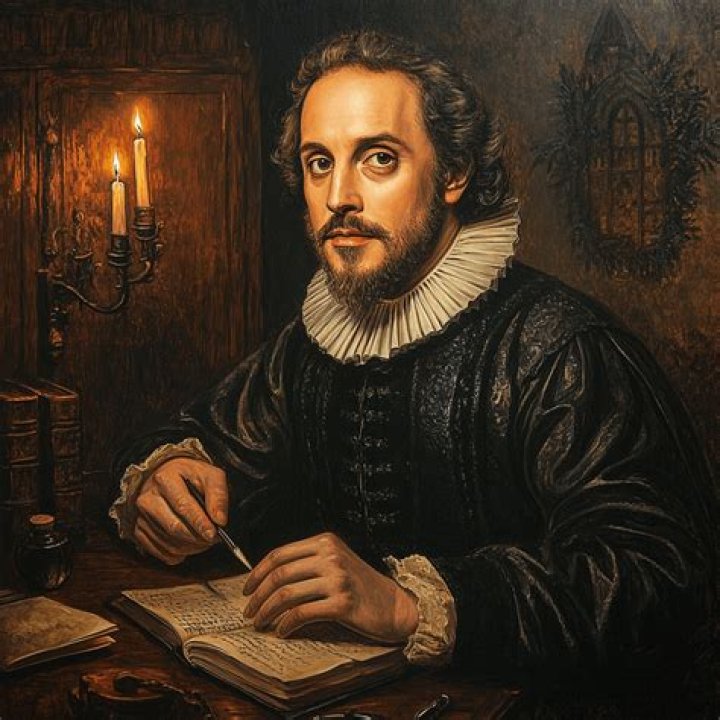
Juan Manuel Ayala was a Spanish naval officer and explorer who played a significant role in the exploration of the Pacific coast of North America. He was born in Spain in 1745 and joined the Spanish navy at a young age.
Ayala is best known for his participation in the expedition of Juan Jos Prez Hernndez, which explored the coast of present-day California and Oregon in 1774. During this expedition, Ayala commanded the schooner San Carlos, which was the first European vessel to enter San Francisco Bay. He also explored the coast of Alaska and the Gulf of California.
Ayala's explorations helped to expand European knowledge of the Pacific coast of North America and contributed to the establishment of Spanish settlements in California. He is considered one of the most important figures in the history of Pacific exploration.
Juan Manuel Ayala
Juan Manuel Ayala was a Spanish naval officer and explorer who played a significant role in the exploration of the Pacific coast of North America. Here are 8 key aspects of his life and career:
- Early life and career
- Exploration of San Francisco Bay
- Exploration of the Pacific Northwest
- Establishment of Spanish settlements in California
- Mapping of the Pacific coast
- Scientific observations
- Legacy as an explorer
- Historical significance
Ayala's explorations helped to expand European knowledge of the Pacific coast of North America and contributed to the establishment of Spanish settlements in California. He is considered one of the most important figures in the history of Pacific exploration.
Early life and career
Juan Manuel Ayala was born in Spain in 1745. He joined the Spanish navy at a young age and quickly rose through the ranks. By the time he was in his early 20s, he was commanding his own ship.
Ayala's early experiences in the navy gave him the skills and knowledge that he would need for his later career as an explorer. He learned how to navigate, how to handle a ship in all kinds of weather, and how to lead a crew. He also gained a deep understanding of the Pacific Ocean and its currents.
Ayala's early life and career were essential to his success as an explorer. They gave him the skills, knowledge, and experience that he needed to lead successful expeditions into uncharted territory.
Exploration of San Francisco Bay
Juan Manuel Ayala's exploration of San Francisco Bay was a significant event in the history of California. It marked the first time that a European vessel had entered the bay, and it opened up the possibility of Spanish settlement in the region.
- Discovery of a new harbor
Ayala's exploration of San Francisco Bay revealed a large, natural harbor that was perfect for ships. This discovery was important for the Spanish, who were looking for a safe place to anchor their ships on the Pacific coast of North America.
- Establishment of Spanish settlements
The discovery of San Francisco Bay led to the establishment of Spanish settlements in the region. The first of these settlements was San Francisco, which was founded in 1776. San Francisco eventually became a major city and the economic center of California.
- Exploration of the interior
Ayala's exploration of San Francisco Bay also led to the exploration of the interior of California. Spanish explorers followed the rivers and streams that flowed into the bay, and they eventually reached the Central Valley and the Sierra Nevada mountains.
- Scientific observations
Ayala's expedition also made a number of scientific observations about San Francisco Bay and the surrounding area. These observations included descriptions of the plants, animals, and climate of the region.
Ayala's exploration of San Francisco Bay was a significant event in the history of California. It led to the discovery of a new harbor, the establishment of Spanish settlements, the exploration of the interior, and a number of scientific observations.
Exploration of the Pacific Northwest
Spanish naval officer and explorer Juan Manuel Ayala played a significant role in the exploration of the Pacific Northwest, contributing to the European understanding of the region's geography, resources, and indigenous populations.
- Discovery of new lands
Ayala's expeditions led to the discovery of new lands and the exploration of previously uncharted territories in the Pacific Northwest. His explorations extended the boundaries of European knowledge and contributed to the mapping of the region.
- Scientific observations
During his expeditions, Ayala and his crew made detailed scientific observations of the Pacific Northwest's flora, fauna, and climate. These observations provided valuable insights into the region's natural history and contributed to the development of scientific knowledge.
- Interaction with indigenous populations
Ayala's expeditions also facilitated interactions with indigenous populations in the Pacific Northwest. These interactions provided opportunities for cultural exchange, the establishment of diplomatic relations, and the acquisition of knowledge about the region's cultures and traditions.
- Establishment of trade and commerce
Ayala's explorations laid the foundation for the establishment of trade and commerce in the Pacific Northwest. His expeditions identified potential resources and established connections with indigenous groups, facilitating the development of economic ties between the region and Europe.
Ayala's exploration of the Pacific Northwest was a significant undertaking that contributed to European knowledge of the region and laid the groundwork for future developments. His expeditions provided valuable insights into the geography, resources, and cultures of the Pacific Northwest, shaping the course of exploration and settlement in the centuries that followed.
Establishment of Spanish settlements in California
The establishment of Spanish settlements in California was a significant historical event that shaped the development of the region. Juan Manuel Ayala played a key role in this process, contributing to the exploration, mapping, and development of California's coastal areas.
- Exploration and Mapping
Ayala's expeditions provided valuable information about the geography and resources of California's coast. His detailed observations and mapping efforts contributed to the creation of accurate maps that guided subsequent Spanish expeditions and settlement efforts.
- Establishment of Missions and Presidios
Ayala's explorations helped identify suitable locations for the establishment of Spanish missions and presidios. These settlements served as centers for religious conversion, military defense, and economic development, forming the foundation of Spanish presence in California.
- Development of Trade and Commerce
Ayala's explorations facilitated the development of trade and commerce between California and other Spanish territories. His expeditions established trade routes and identified potential resources, contributing to the economic growth of the region.
- Cultural Exchange and Interaction
Ayala's interactions with indigenous populations during his expeditions contributed to cultural exchange and understanding. These interactions provided insights into the cultures and traditions of California's native inhabitants, shaping the dynamics of Spanish settlement and integration.
In conclusion, Juan Manuel Ayala's role in the establishment of Spanish settlements in California was multifaceted. His explorations, mapping efforts, and interactions with indigenous populations played a crucial role in shaping the development of the region, laying the groundwork for its transformation into a significant center of Spanish colonial presence and cultural exchange.
Mapping of the Pacific coast
The mapping of the Pacific coast was a significant aspect of Juan Manuel Ayala's explorations. His detailed observations, meticulous charting, and accurate mapping contributed to the expansion of European knowledge about the geography and features of the Pacific coast of North America.
As Ayala navigated the coastal waters, he carefully recorded his observations, noting landmarks, bays, and harbors. His maps provided valuable information about the coastline's topography, depth soundings, and potential landing sites. These maps were crucial for subsequent expeditions and the establishment of Spanish settlements along the coast.
Ayala's mapping efforts had practical significance, enabling safer navigation, facilitating the exploration of new territories, and aiding in the development of trade routes. His maps were used by Spanish explorers, traders, and missionaries, shaping their understanding of the Pacific coast and its potential.
The mapping of the Pacific coast by Juan Manuel Ayala stands as a testament to his skills as an explorer and cartographer. His contributions to geographical knowledge played a vital role in the exploration and colonization of the Pacific coast, leaving a lasting legacy in the history of maritime exploration.
Scientific observations
Juan Manuel Ayala's scientific observations were a crucial aspect of his explorations, contributing significantly to the advancement of scientific knowledge and the understanding of the natural world. During his expeditions, Ayala meticulously recorded his observations on various aspects of the environment, including flora, fauna, climate, and geological formations.
These observations were not merely incidental; they were an integral part of Ayala's exploratory endeavors. He recognized the scientific value of his findings and actively sought to document and analyze them. His observations provided valuable insights into the biodiversity and ecological relationships of the regions he explored, expanding the understanding of natural history.
Ayala's scientific observations had practical significance as well. They informed decision-making regarding the establishment of settlements, the exploitation of resources, and the navigation of unfamiliar territories. His detailed descriptions of coastal features, water depths, and potential harbors aided in the planning of future expeditions and the development of maritime trade routes.
In conclusion, the connection between "Scientific observations" and "juan manuel ayala" highlights the importance of scientific inquiry and documentation in the context of exploration. Ayala's meticulous observations not only advanced scientific knowledge but also had practical applications, shaping the course of exploration and the understanding of the natural world during his time.
Legacy as an explorer
Juan Manuel Ayala's legacy as an explorer is multifaceted, leaving a lasting impact on the understanding of the Pacific coast of North America and beyond:
- Pioneering Explorations
Ayala's daring explorations extended the boundaries of European knowledge, charting new territories and providing valuable information about the geography, resources, and indigenous populations of the Pacific coast. His expeditions laid the groundwork for subsequent exploration and settlement.
- Scientific Contributions
Ayala's scientific observations and meticulous documentation contributed to the advancement of natural history. His detailed descriptions of flora, fauna, and geological formations provided insights into the biodiversity and ecosystems of the regions he explored.
- Mapping and Cartography
Ayala's accurate mapping of the Pacific coast aided navigation and facilitated the establishment of trade routes. His maps became essential tools for explorers, traders, and missionaries, shaping the understanding of the coastal geography.
- Cultural Exchange
Ayala's interactions with indigenous populations fostered cultural exchange and understanding. He documented their customs, traditions, and languages, contributing to the preservation of cultural heritage and the recognition of diverse perspectives.
Ayala's legacy extends beyond his own lifetime, inspiring future generations of explorers and scientists. His contributions to exploration, science, cartography, and cultural understanding continue to shape our knowledge of the world.
Historical significance
Juan Manuel Ayala's historical significance lies in his pivotal role as an explorer, scientist, and contributor to the understanding of the Pacific coast of North America. His explorations and scientific observations shaped the course of history in several key ways:
- Expansion of European Knowledge
Ayala's expeditions extended the boundaries of European knowledge about the Pacific coast. He charted new territories, documented the geography, and provided valuable information about the resources and indigenous populations of the regions he explored. His findings contributed to the understanding of the world and laid the groundwork for further exploration and settlement.
- Scientific Contributions
Ayala's scientific observations and meticulous documentation of the natural world provided insights into the biodiversity and ecosystems of the Pacific coast. His detailed descriptions of flora, fauna, and geological formations advanced the understanding of natural history and contributed to the development of scientific knowledge.
- Mapping and Cartography
Ayala's accurate mapping of the Pacific coast aided navigation and facilitated the establishment of trade routes. His maps became essential tools for explorers, traders, and missionaries, shaping the understanding of the coastal geography and enabling the development of maritime commerce.
- Cultural Exchange
Ayala's interactions with indigenous populations fostered cultural exchange and understanding. He documented their customs, traditions, and languages, contributing to the preservation of cultural heritage and the recognition of diverse perspectives. His accounts provide valuable insights into the cultures and societies of the Pacific coast before significant European contact.
In conclusion, Juan Manuel Ayala's historical significance is deeply intertwined with his contributions to exploration, science, cartography, and cultural understanding. His legacy continues to shape our knowledge of the Pacific coast and its history, serving as a reminder of the importance of exploration, scientific inquiry, and cross-cultural exchange.
Frequently Asked Questions about Juan Manuel Ayala
This section addresses common questions and misconceptions surrounding Juan Manuel Ayala, providing concise and informative answers.
Q1: Who was Juan Manuel Ayala?
A: Juan Manuel Ayala was a Spanish naval officer and explorer who played a significant role in the exploration of the Pacific coast of North America during the 18th century.
Q2: What were Ayala's most notable achievements?
A: Ayala's most notable achievements include the exploration of San Francisco Bay, the mapping of the Pacific coast, and the establishment of Spanish settlements in California.
Q3: What was Ayala's role in the exploration of San Francisco Bay?
A: Ayala commanded the schooner San Carlos, which was the first European vessel to enter San Francisco Bay in 1775. His exploration revealed a large, natural harbor that became a significant center for trade and settlement.
Q4: How did Ayala contribute to the mapping of the Pacific coast?
A: Ayala's detailed observations and accurate mapping provided valuable information about the geography and features of the Pacific coast. His maps aided navigation, facilitated exploration, and supported the establishment of trade routes.
Q5: What was Ayala's role in the establishment of Spanish settlements in California?
A: Ayala's explorations and mapping efforts helped identify suitable locations for the establishment of Spanish missions and presidios. These settlements formed the foundation of Spanish presence in California and played a significant role in the region's development.
Q6: What is Ayala's legacy as an explorer?
A: Ayala's legacy as an explorer is marked by his contributions to the understanding of the Pacific coast. His explorations, scientific observations, and accurate mapping advanced European knowledge and laid the groundwork for further exploration and settlement.
In conclusion, Juan Manuel Ayala's contributions to exploration, science, and cartography have left a lasting impact on our understanding of the Pacific coast of North America.
Transition to the next article section:
Click here to learn more about Juan Manuel Ayala's life and career.
Tips from Juan Manuel Ayala's Explorations
Juan Manuel Ayala's explorations of the Pacific coast of North America in the 18th century offer valuable insights and lessons for modern-day explorers, scientists, and adventurers.
Tip 1: Embrace Curiosity and Observation
Ayala's meticulous observations and detailed descriptions of the environments he encountered contributed significantly to the scientific knowledge of his time. Cultivating curiosity and a keen eye for detail can lead to groundbreaking discoveries and a deeper understanding of the natural world.
Tip 2: Collaborate and Share Knowledge
Ayala's expeditions relied on collaboration with indigenous populations, scientists, and fellow explorers. Sharing knowledge and expertise fosters innovation, promotes understanding, and enriches the collective body of knowledge.
Tip 3: Adapt to Changing Circumstances
Ayala's explorations were marked by unforeseen challenges and changing conditions. Embracing adaptability and resilience enables explorers to overcome obstacles, find alternative solutions, and achieve their goals.
Tip 4: Respect Local Cultures and Traditions
Ayala's interactions with indigenous populations were guided by respect and a desire for cultural exchange. Valuing and understanding local customs and traditions fosters harmonious relationships and contributes to preserving cultural heritage.
Tip 5: Document and Record Observations
Ayala's detailed journals and maps provided invaluable documentation of his explorations. Thorough and accurate documentation ensures that observations and discoveries are preserved for future generations and contribute to the collective understanding of history and the natural world.
By following these tips inspired by Juan Manuel Ayala's explorations, modern-day explorers, scientists, and adventurers can harness the spirit of discovery, advance knowledge, and contribute to a deeper understanding of our world.
Click here to learn more about Juan Manuel Ayala's life and career as an explorer.
Conclusion
Juan Manuel Ayala's explorations of the Pacific coast of North America in the 18th century stand as a testament to the human spirit of discovery and the pursuit of knowledge. His meticulous observations, accurate mapping, and scientific documentation have left a lasting legacy that continues to shape our understanding of the region's geography, history, and ecology.
Ayala's legacy serves as a reminder of the importance of embracing curiosity, embracing collaboration, adapting to changing circumstances, respecting local cultures, and documenting observations. By following these principles, modern-day explorers, scientists, and adventurers can continue to push the boundaries of knowledge and contribute to a deeper understanding of our world.