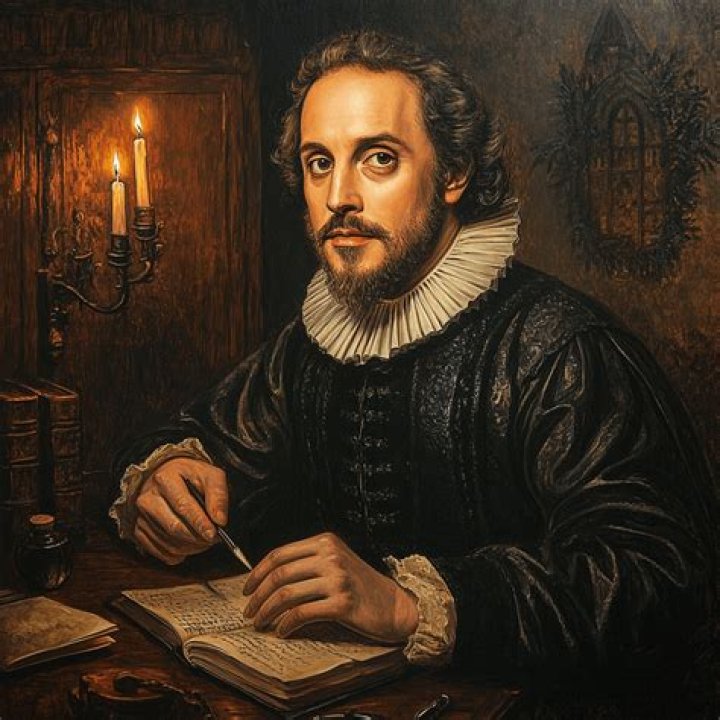
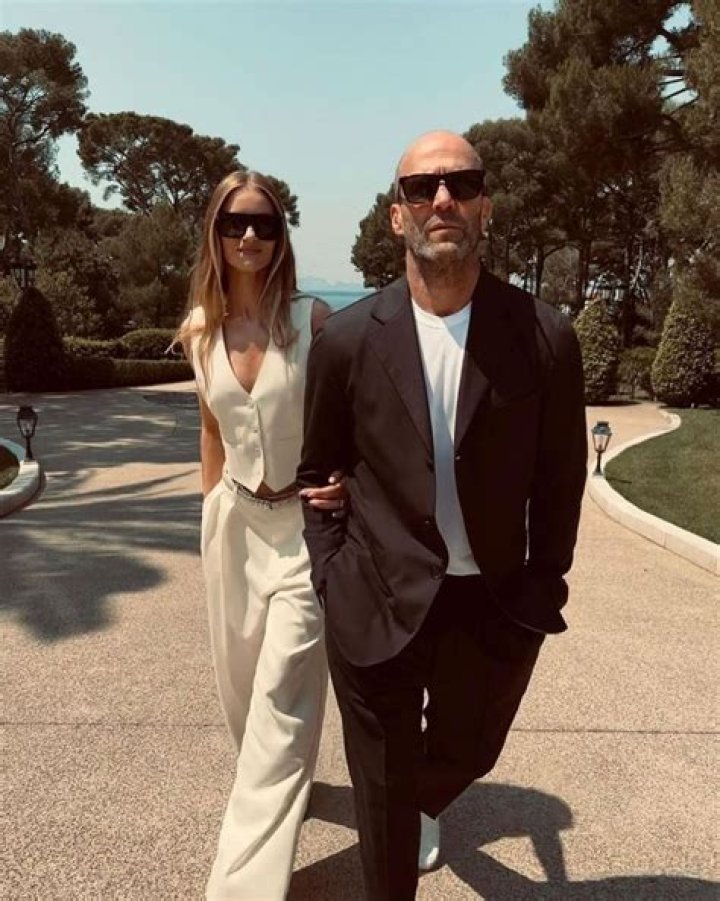
The "Willem Dafoe pose" is a distinctive physical posture adopted by actor Willem Dafoe. It is characterized by a hunched back, tilted head, and piercing gaze. The pose has become widely recognized and parodied due to its unique and often unsettling appearance.
The importance of the "Willem Dafoe pose" lies in its ability to convey a range of emotions and intentions. It can be used to express menace, vulnerability, or even amusement. The pose has also been used by other actors and performers as a way to pay homage to Dafoe's iconic style.
The "Willem Dafoe pose" has its roots in Dafoe's early work in experimental theater. He developed the pose as a way to create a sense of unease and discomfort in the audience. Over time, the pose has become synonymous with Dafoe's acting style and has been used in a variety of roles, from the villainous Green Goblin in the "Spider-Man" films to the eccentric detective in "The Lighthouse."
Willem Dafoe Pose
The "Willem Dafoe pose" is a distinctive physical posture adopted by actor Willem Dafoe. It is characterized by a hunched back, tilted head, and piercing gaze. The pose has become widely recognized and parodied due to its unique and often unsettling appearance.
- Menacing
- Vulnerable
- Amusing
- Uncomfortable
- Iconic
- Experimental
- Theatrical
- Villainous
- Eccentric
The "Willem Dafoe pose" is a versatile and expressive physical posture that can be used to convey a wide range of emotions and intentions. It is a testament to Dafoe's skill as an actor that he has been able to make such a distinctive pose his own. The pose has become an iconic part of Dafoe's acting style and has been used in a variety of roles, from the villainous Green Goblin in the "Spider-Man" films to the eccentric detective in "The Lighthouse."
Menacing
The "Willem Dafoe pose" is often associated with a sense of menace. This is due to the pose's hunched back, tilted head, and piercing gaze, which can create a feeling of unease and discomfort in the viewer. The pose has been used to great effect in a number of villainous roles, such as the Green Goblin in the "Spider-Man" films and Max Schreck in "Shadow of the Vampire."
- Body Language
The hunched back and tilted head of the "Willem Dafoe pose" are both classic body language cues for menace. These postures can make a person appear smaller and more vulnerable, but they can also convey a sense of coiled power and aggression.
- Facial Expression
The piercing gaze of the "Willem Dafoe pose" is another key factor in its menacing quality. Dafoe's eyes are often described as being "piercing" or "hypnotic," and they can convey a sense of intensity and focus that can be unsettling to viewers.
- Context
The context in which the "Willem Dafoe pose" is used can also contribute to its menacing effect. For example, the pose is often used in scenes of violence or danger, which can heighten the sense of tension and suspense.
Overall, the "Willem Dafoe pose" is a powerful and versatile tool that can be used to convey a sense of menace and unease. Dafoe's unique physicality and acting style make him particularly well-suited to this type of role, and he has used the pose to create some of the most iconic villains in cinema history.
Vulnerable
The "Willem Dafoe pose" is often associated with a sense of menace and unease. However, the pose can also be used to convey a sense of vulnerability. This is due to the pose's hunched back and tilted head, which can make a person appear smaller and more vulnerable.
- Physical Weakness
The hunched back and tilted head of the "Willem Dafoe pose" can convey a sense of physical weakness or vulnerability. This is because these postures can make a person appear smaller and less powerful. In some cases, the pose may also be used to convey a sense of physical pain or discomfort.
- Emotional Vulnerability
The "Willem Dafoe pose" can also be used to convey a sense of emotional vulnerability. This is because the pose can make a person appear more open and receptive. In some cases, the pose may also be used to convey a sense of sadness or loneliness.
- Psychological Vulnerability
The "Willem Dafoe pose" can also be used to convey a sense of psychological vulnerability. This is because the pose can make a person appear more submissive or compliant. In some cases, the pose may also be used to convey a sense of fear or anxiety.
Overall, the "Willem Dafoe pose" is a versatile and expressive physical posture that can be used to convey a wide range of emotions and intentions. Dafoe's unique physicality and acting style make him particularly well-suited to this type of role, and he has used the pose to create some of the most iconic characters in cinema history.
Amusing
The "Willem Dafoe pose" is often associated with a sense of menace or unease. However, the pose can also be used to comedic effect. This is due to the pose's inherent absurdity and the fact that it can be used to create a sense of contrast or juxtaposition.
In some cases, the "Willem Dafoe pose" can be used to create a sense of physical comedy. For example, the pose can be used to make a character appear clumsy or awkward. In other cases, the pose can be used to create a sense of verbal comedy. For example, the pose can be used to deliver a punchline or to emphasize a particular word or phrase.
Overall, the "Willem Dafoe pose" is a versatile and expressive physical posture that can be used to convey a wide range of emotions and intentions. Dafoe's unique physicality and acting style make him particularly well-suited to this type of role, and he has used the pose to create some of the most iconic characters in cinema history.
Uncomfortable
The "Willem Dafoe pose" is often associated with a sense of discomfort. This is due to the pose's hunched back, tilted head, and piercing gaze, which can create a feeling of unease and tension in the viewer. The pose has been used to great effect in a number of unsettling and disturbing roles, such as Max Schreck in "Shadow of the Vampire" and the Green Goblin in the "Spider-Man" films.
There are a number of factors that contribute to the uncomfortable nature of the "Willem Dafoe pose". First, the pose is physically constricted. The hunched back and tilted head restrict movement and can create a sense of claustrophobia. Second, the pose is visually arresting. The piercing gaze and intense expression can be difficult to look away from, creating a sense of unease and tension. Third, the pose is often associated with negative emotions such as fear, anger, and sadness. This can make the pose even more unsettling and uncomfortable to view.
The "Willem Dafoe pose" can be an effective tool for creating a sense of discomfort and unease in the viewer. Dafoe's unique physicality and acting style make him particularly well-suited to this type of role, and he has used the pose to create some of the most iconic and disturbing characters in cinema history.
Iconic
The "Willem Dafoe pose" has become iconic in popular culture. This is due to a number of factors, including its unique physicality, its association with memorable characters, and its use in a variety of contexts.
- Physicality
The "Willem Dafoe pose" is a physically distinctive pose. The hunched back, tilted head, and piercing gaze are all instantly recognizable and have become synonymous with Dafoe's acting style. This physicality makes the pose visually striking and memorable, which has contributed to its iconic status.
- Character
The "Willem Dafoe pose" has been used to create a number of memorable characters. These characters include the Green Goblin in the "Spider-Man" films, Max Schreck in "Shadow of the Vampire", and the detective in "The Lighthouse". These characters are all complex and often unsettling, and the "Willem Dafoe pose" has helped to bring them to life.
- Context
The "Willem Dafoe pose" has been used in a variety of contexts, from film and television to stage and photography. This versatility has helped to make the pose even more iconic. It has become a recognizable symbol of Dafoe's acting style, and it can be used to create a sense of menace, unease, or even humor.
The "Willem Dafoe pose" is a truly iconic pose. It is a physically distinctive pose that has been used to create a number of memorable characters. The pose has also been used in a variety of contexts, which has helped to make it even more iconic. It is a testament to Dafoe's skill as an actor that he has been able to make such a distinctive pose his own.
Experimental
The "Willem Dafoe pose" is often associated with experimental theater and performance art. This is because the pose is physically demanding and requires a high level of control and precision. It is also a pose that can be used to express a wide range of emotions and ideas. This makes it a valuable tool for experimental artists who are looking to create new and innovative work.
One of the key elements of the "Willem Dafoe pose" is its physicality. The hunched back and tilted head require a great deal of strength and flexibility. This physicality can be used to create a sense of tension and unease in the audience. It can also be used to express a character's inner turmoil or psychological state.
The "Willem Dafoe pose" has been used in a variety of experimental theater and performance art pieces. For example, the pose was used in the play "The Bacchae" by Euripides. In this play, the pose was used to represent the god Dionysus. The pose was also used in the performance art piece "The Stations of the Cross" by Andres Serrano. In this piece, the pose was used to represent the suffering of Christ.
The "Willem Dafoe pose" is a powerful and versatile tool that can be used to create a variety of effects in experimental theater and performance art. It is a pose that requires a great deal of skill and precision, but it can be used to create truly memorable and impactful work.
Theatrical
The "Willem Dafoe pose" is often associated with theatrical performance. This is because the pose is physically demanding and requires a high level of control and precision. It is also a pose that can be used to express a wide range of emotions and ideas. This makes it a valuable tool for actors who are looking to create memorable and impactful performances.
- Physicality
The "Willem Dafoe pose" is a physically demanding pose. The hunched back and tilted head require a great deal of strength and flexibility. This physicality can be used to create a sense of tension and unease in the audience. It can also be used to express a character's inner turmoil or psychological state.
- Emotion
The "Willem Dafoe pose" can be used to express a wide range of emotions. These emotions can include menace, vulnerability, amusement, and discomfort. The pose can be used to create a sense of tension, suspense, or even humor.
- Character
The "Willem Dafoe pose" can be used to create a variety of characters. These characters can be villains, heroes, or even everyday people. The pose can be used to reveal a character's inner thoughts and feelings, or to create a sense of mystery or intrigue.
- Storytelling
The "Willem Dafoe pose" can be used to tell a story. The pose can be used to create a sense of time and place, or to convey a character's journey or transformation. The pose can also be used to create a sense of suspense or anticipation.
The "Willem Dafoe pose" is a powerful and versatile tool that can be used to create a variety of effects in theatrical performance. It is a pose that requires a great deal of skill and precision, but it can be used to create truly memorable and impactful performances.
Villainous
The "Willem Dafoe pose" has become synonymous with villainous characters. This is due to the pose's inherent menace and unease, which can be used to create a sense of fear and intimidation in the audience. Dafoe has used the pose to great effect in a number of villainous roles, such as the Green Goblin in the "Spider-Man" films and Max Schreck in "Shadow of the Vampire".
- Physicality
The "Willem Dafoe pose" is a physically imposing pose. The hunched back and tilted head create a sense of menace and unease. This physicality can be used to create a sense of fear and intimidation in the audience.
- Facial Expression
Dafoe's facial expression in the "Willem Dafoe pose" is often intense and piercing. This can create a sense of menace and unease in the audience. Dafoe's eyes are often described as being "piercing" or "hypnotic," and they can convey a sense of intensity and focus that can be unsettling to viewers.
- Body Language
The body language in the "Willem Dafoe pose" is often aggressive and threatening. This can create a sense of menace and unease in the audience. Dafoe often uses his body language to convey a sense of power and control, which can be intimidating to viewers.
- Context
The context in which the "Willem Dafoe pose" is used can also contribute to its villainous effect. For example, the pose is often used in scenes of violence or danger, which can heighten the sense of tension and suspense.
Overall, the "Willem Dafoe pose" is a powerful and versatile tool that can be used to create a sense of menace and unease. Dafoe's unique physicality and acting style make him particularly well-suited to this type of role, and he has used the pose to create some of the most iconic villains in cinema history.
Eccentric
The "Willem Dafoe pose" is often associated with eccentricity. This is due to the pose's unique physicality and its association with unconventional characters. Dafoe has used the pose to great effect in a number of eccentric roles, such as the Green Goblin in the "Spider-Man" films and Max Schreck in "Shadow of the Vampire".
- Unpredictability
The "Willem Dafoe pose" is often used to convey a sense of unpredictability. This is due to the pose's unusual physicality and its association with characters who are often unpredictable and volatile. Dafoe's use of the pose in the role of the Green Goblin is a perfect example of this. The Green Goblin is a character who is constantly shifting between his human and goblin personas, and Dafoe's use of the "Willem Dafoe pose" helps to convey this sense of unpredictability.
- Intelligence
The "Willem Dafoe pose" can also be used to convey a sense of intelligence. This is due to the pose's association with characters who are often intelligent and cunning. Dafoe's use of the pose in the role of Max Schreck in "Shadow of the Vampire" is a perfect example of this. Max Schreck is a character who is a master manipulator and deceiver, and Dafoe's use of the "Willem Dafoe pose" helps to convey this sense of intelligence.
- Creativity
The "Willem Dafoe pose" can also be used to convey a sense of creativity. This is due to the pose's association with characters who are often creative and imaginative. Dafoe's use of the pose in the role of Vincent van Gogh in "At Eternity's Gate" is a perfect example of this. Vincent van Gogh was a brilliant and creative artist, and Dafoe's use of the "Willem Dafoe pose" helps to convey this sense of creativity.
- Vulnerability
The "Willem Dafoe pose" can also be used to convey a sense of vulnerability. This is due to the pose's association with characters who are often vulnerable and fragile. Dafoe's use of the pose in the role of Jesus Christ in "The Last Temptation of Christ" is a perfect example of this. Jesus Christ is a character who is often seen as being vulnerable and fragile, and Dafoe's use of the "Willem Dafoe pose" helps to convey this sense of vulnerability.
Overall, the "Willem Dafoe pose" is a versatile and expressive physical posture that can be used to convey a wide range of emotions and intentions. Dafoe's unique physicality and acting style make him particularly well-suited to this type of role, and he has used the pose to create some of the most iconic and eccentric characters in cinema history.
Willem Dafoe Pose FAQs
Below are answers to frequently asked questions regarding the "Willem Dafoe pose":
Question 1: What is the origin of the "Willem Dafoe pose"?
Answer: The "Willem Dafoe pose" is a distinctive physical posture adopted by actor Willem Dafoe. It is characterized by a hunched back, tilted head, and piercing gaze. The pose was first developed by Dafoe in his early experimental theater work, and has since become synonymous with his acting style.
Question 2: What are the characteristics of the "Willem Dafoe pose"?
Answer: The "Willem Dafoe pose" is characterized by a hunched back, tilted head, and piercing gaze. The pose can be used to convey a wide range of emotions and intentions, including menace, vulnerability, amusement, and discomfort.
Question 3: What is the significance of the "Willem Dafoe pose"?
Answer: The "Willem Dafoe pose" has become iconic in popular culture due to its unique physicality and its association with memorable characters. The pose has been used to create a variety of characters, including the Green Goblin in the "Spider-Man" films, Max Schreck in "Shadow of the Vampire", and the detective in "The Lighthouse".
Question 4: How is the "Willem Dafoe pose" used in acting?
Answer: The "Willem Dafoe pose" can be used to convey a wide range of emotions and intentions in acting. The pose can be used to create a sense of menace, vulnerability, amusement, or discomfort. The pose can also be used to create a sense of tension, suspense, or anticipation.
Question 5: What are some examples of the "Willem Dafoe pose" in film and television?
Answer: The "Willem Dafoe pose" has been used in a variety of film and television roles, including the Green Goblin in the "Spider-Man" films, Max Schreck in "Shadow of the Vampire", and the detective in "The Lighthouse".
Question 6: How can I incorporate the "Willem Dafoe pose" into my own acting?
Answer: The "Willem Dafoe pose" is a physically demanding pose that requires a great deal of control and precision. It is important to practice the pose regularly in order to develop the necessary strength and flexibility. The pose can be used to create a variety of effects in acting, so it is important to experiment with the pose and find ways to use it to convey your own unique style.
These are just a few of the most frequently asked questions regarding the "Willem Dafoe pose". For more information, please consult a reliable source such as the Internet Movie Database (IMDb) or a book on acting.
Summary: The "Willem Dafoe pose" is a distinctive physical posture that can be used to convey a wide range of emotions and intentions. The pose has become iconic in popular culture due to its unique physicality and its association with memorable characters. The pose can be used in acting to create a variety of effects, such as menace, vulnerability, amusement, or discomfort. It is important to practice the pose regularly in order to develop the necessary strength and flexibility.
Transition to the next article section: The "Willem Dafoe pose" is just one of many techniques that can be used to create a memorable and impactful performance. In the next section, we will explore other techniques that actors can use to develop their craft.
Tips for Using the "Willem Dafoe Pose"
The "Willem Dafoe pose" can be a powerful tool for actors looking to create memorable and impactful performances. However, it is important to use the pose correctly in order to avoid coming across as clichd or over-the-top. Here are a few tips for using the "Willem Dafoe pose" effectively:
Tip 1: Use the pose sparingly. The "Willem Dafoe pose" is a powerful pose, but it can quickly become tiresome if it is overused. Use the pose only when it is absolutely necessary to convey a specific emotion or intention.
Tip 2: Make sure the pose is motivated. The "Willem Dafoe pose" should not be used simply for the sake of using it. Make sure that the pose is motivated by the character's emotions and intentions.
Tip 3: Practice the pose. The "Willem Dafoe pose" is a physically demanding pose. It is important to practice the pose regularly in order to develop the necessary strength and flexibility.
Tip 4: Use the pose to create a variety of effects. The "Willem Dafoe pose" can be used to convey a wide range of emotions and intentions. Experiment with the pose to find ways to use it to create your own unique style.
Tip 5: Don't be afraid to experiment. The "Willem Dafoe pose" is just one of many techniques that can be used to create a memorable and impactful performance. Don't be afraid to experiment with other techniques to find what works best for you.
By following these tips, you can use the "Willem Dafoe pose" to create powerful and memorable performances that will leave a lasting impression on your audience.
Summary: The "Willem Dafoe pose" is a powerful tool for actors looking to create memorable and impactful performances. However, it is important to use the pose correctly in order to avoid coming across as clichd or over-the-top. By following the tips outlined above, you can use the "Willem Dafoe pose" to create performances that will leave a lasting impression on your audience.
Transition to the article's conclusion: The "Willem Dafoe pose" is just one of many techniques that can be used to create a memorable and impactful performance. In the conclusion, we will discuss other techniques that actors can use to develop their craft.
Conclusion
The "Willem Dafoe pose" is a powerful and versatile tool that can be used to convey a wide range of emotions and intentions. It is a pose that requires a great deal of skill and precision, but it can be used to create truly memorable and impactful performances. In this article, we have explored the history, significance, and uses of the "Willem Dafoe pose". We have also provided some tips for actors who are looking to use the pose in their own work.
The "Willem Dafoe pose" is a unique and iconic pose that has become synonymous with Dafoe's acting style. It is a pose that can be used to create a sense of menace, vulnerability, amusement, or discomfort. It is a pose that can be used to tell a story or to create a sense of suspense or anticipation. The "Willem Dafoe pose" is a powerful tool that can be used to create a variety of effects in film, television, and theater.